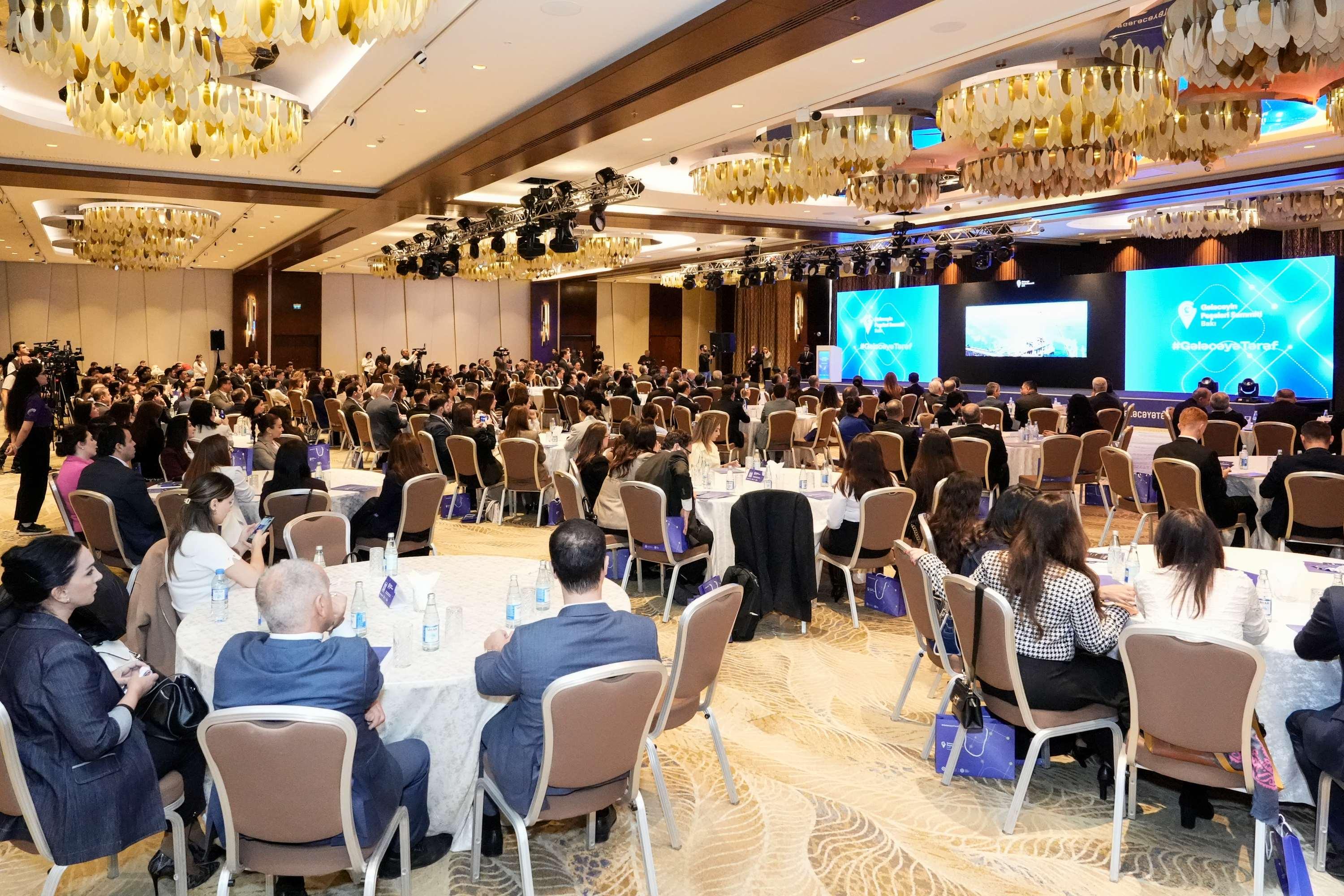
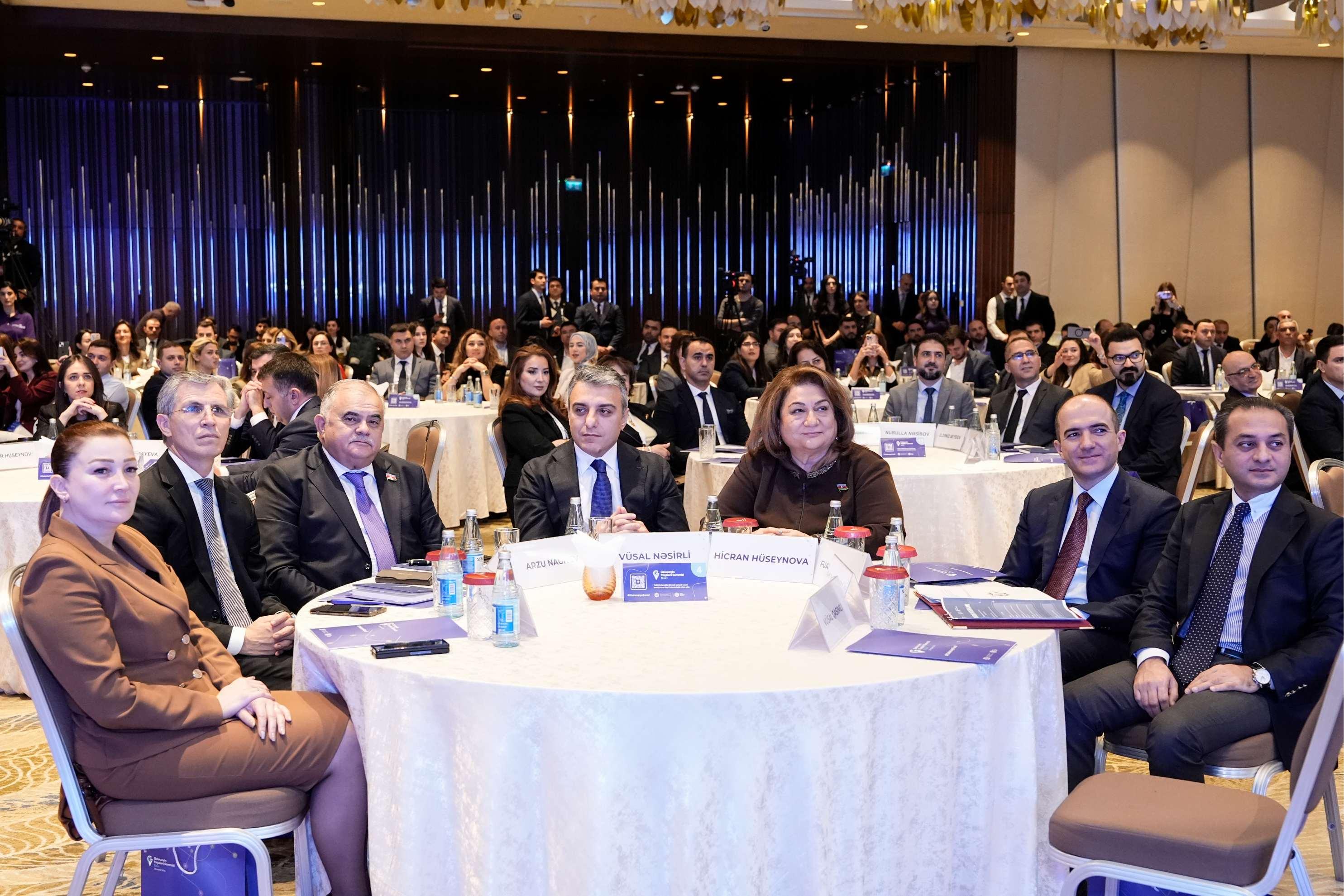
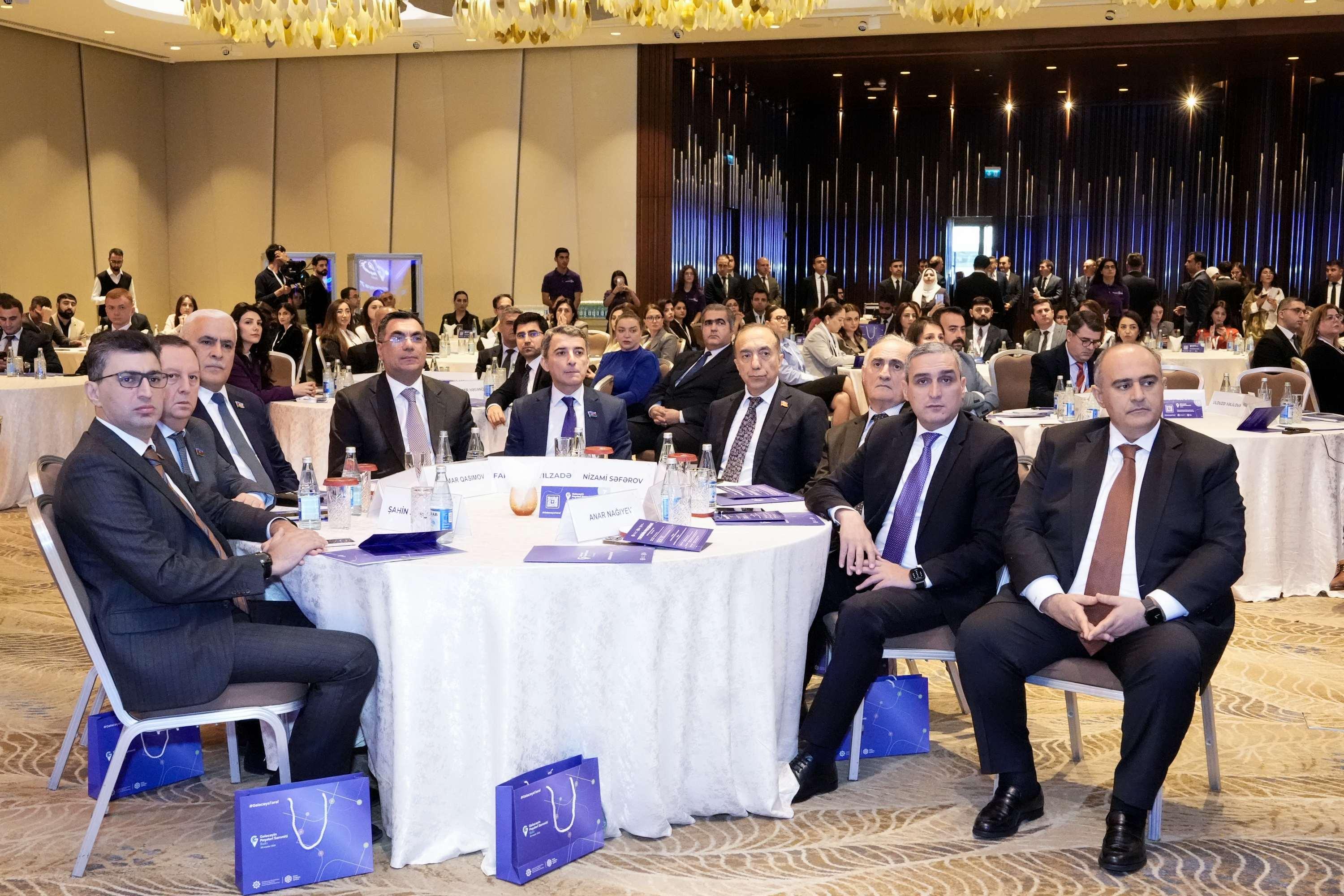
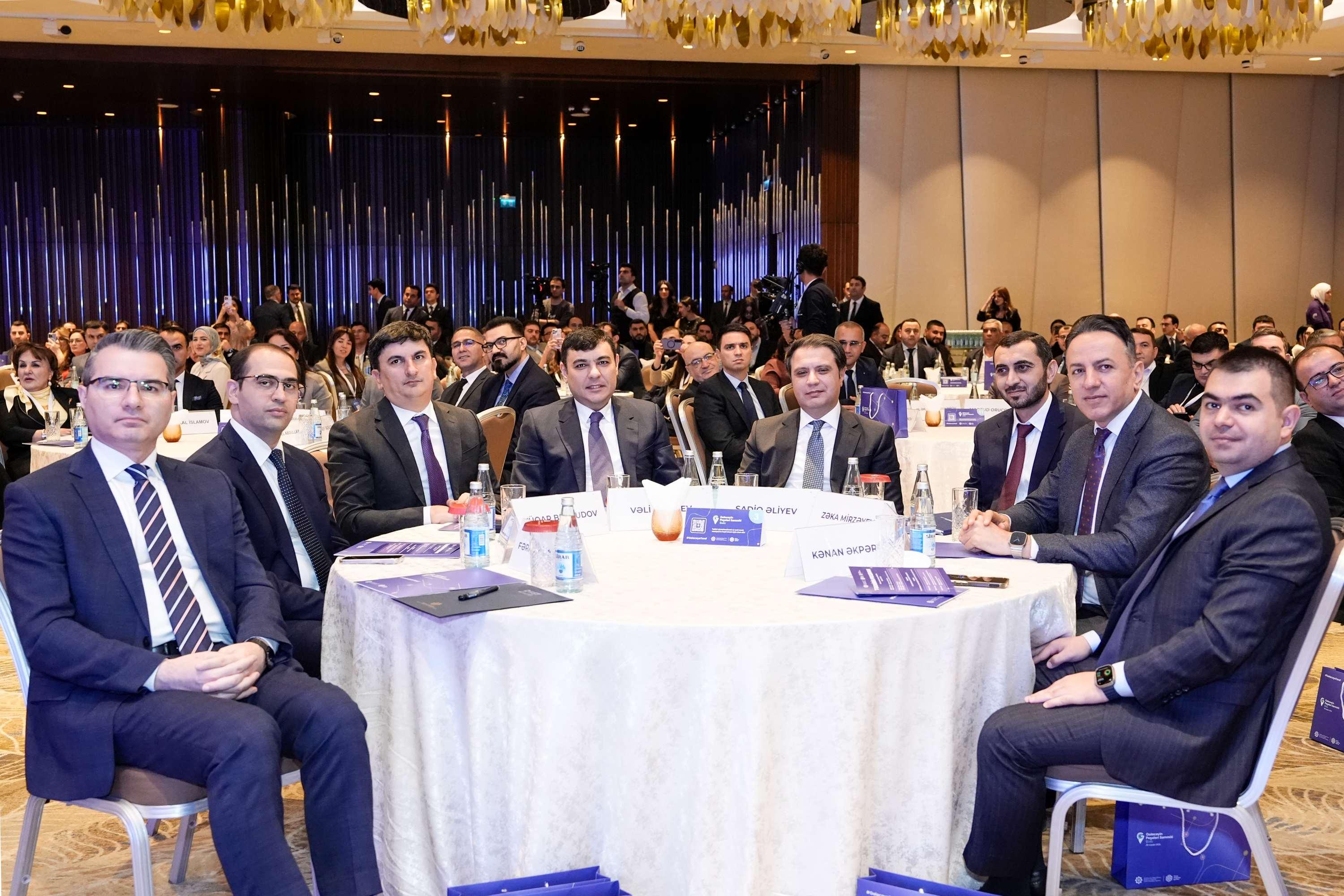
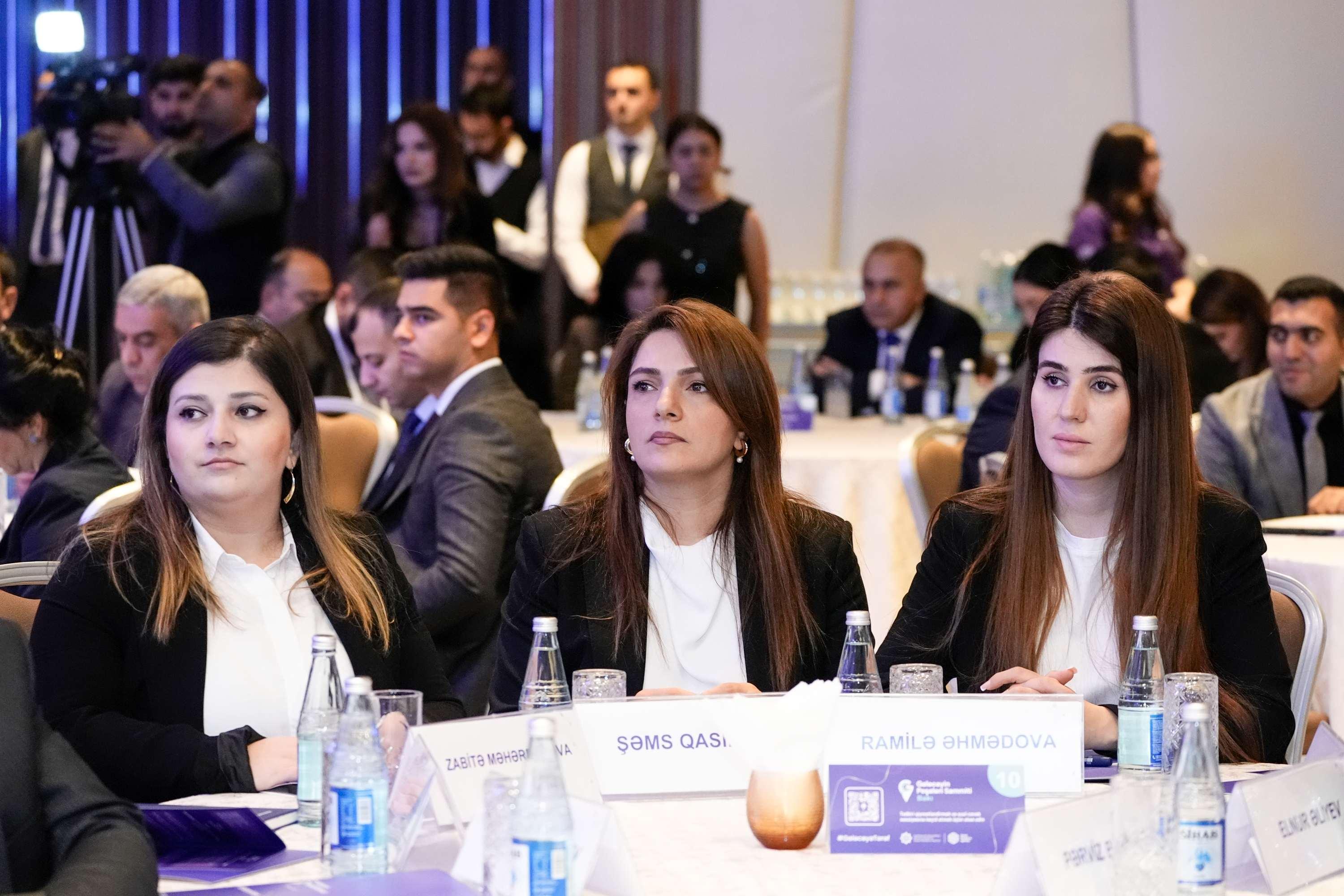
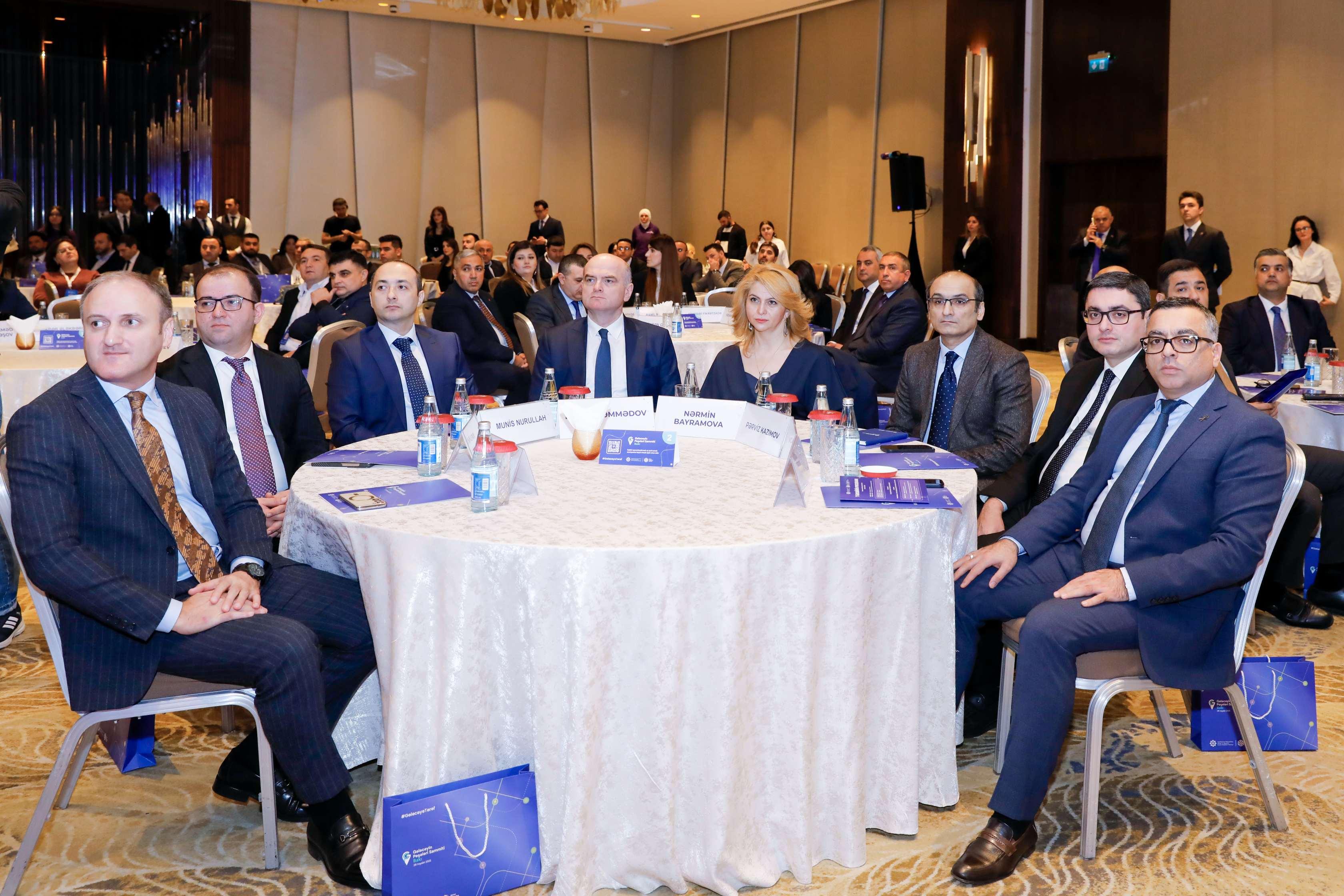
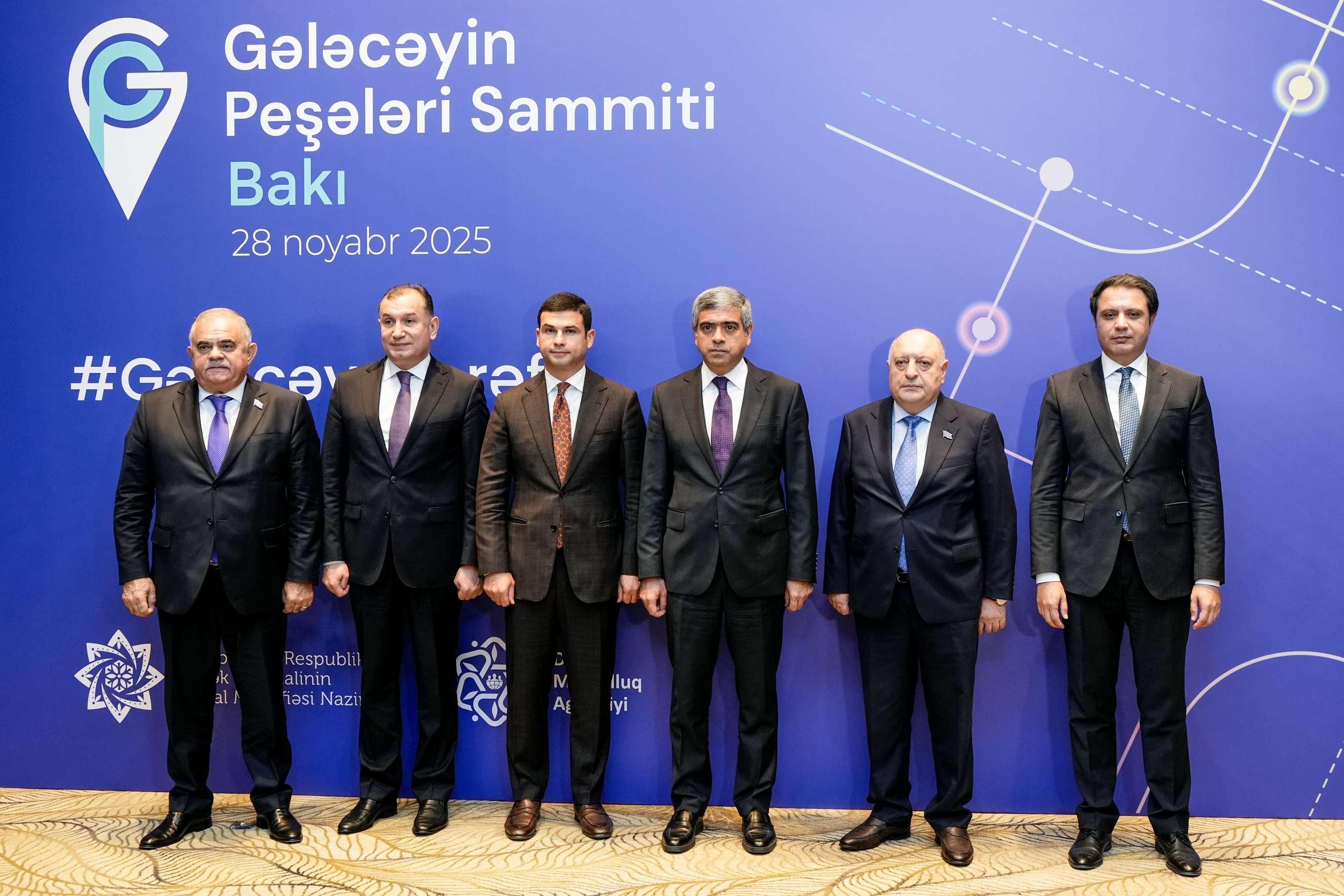
The Future Professions Summit, organized by the State Employment Agency under the Ministry of Labour and Social Protection of the Population, was held this time in Baku.
The Summit, conducted under the motto “Towards the Future,” aimed to discuss changes in the labour market, the emerging demand for new professions and skills in a professional environment, and to support the readiness of ecosystem participants in education and employment for new challenges of the future labour market.
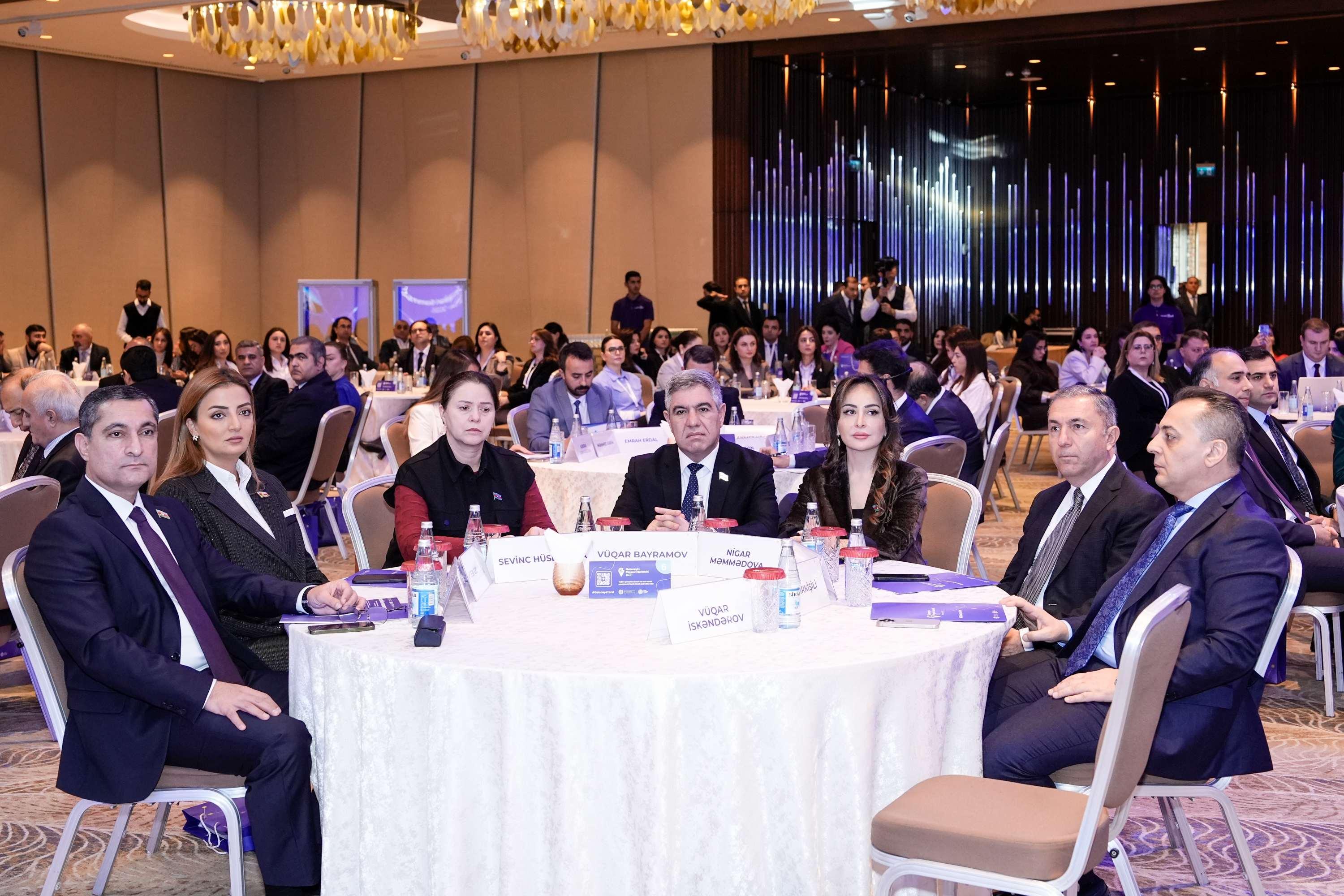
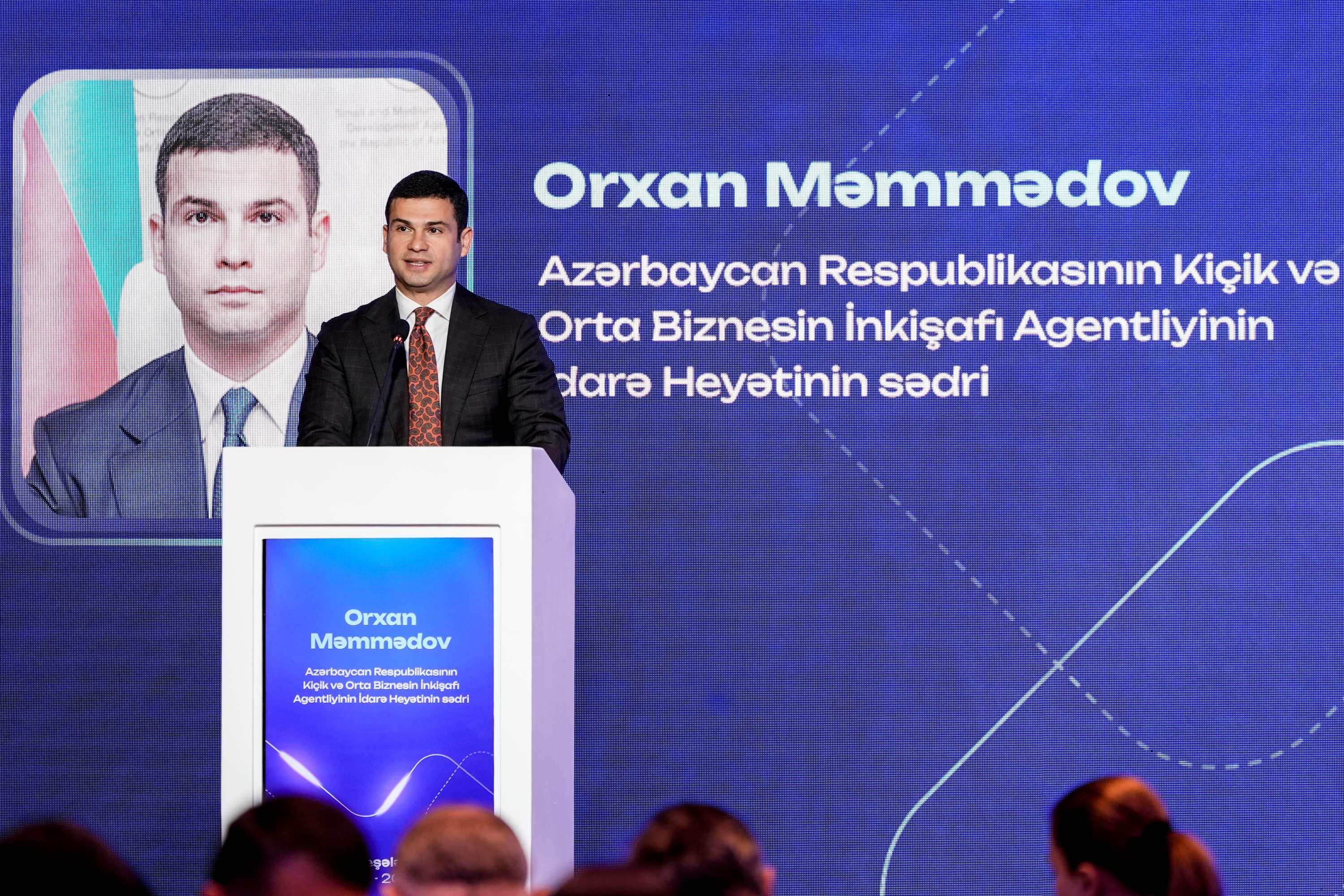
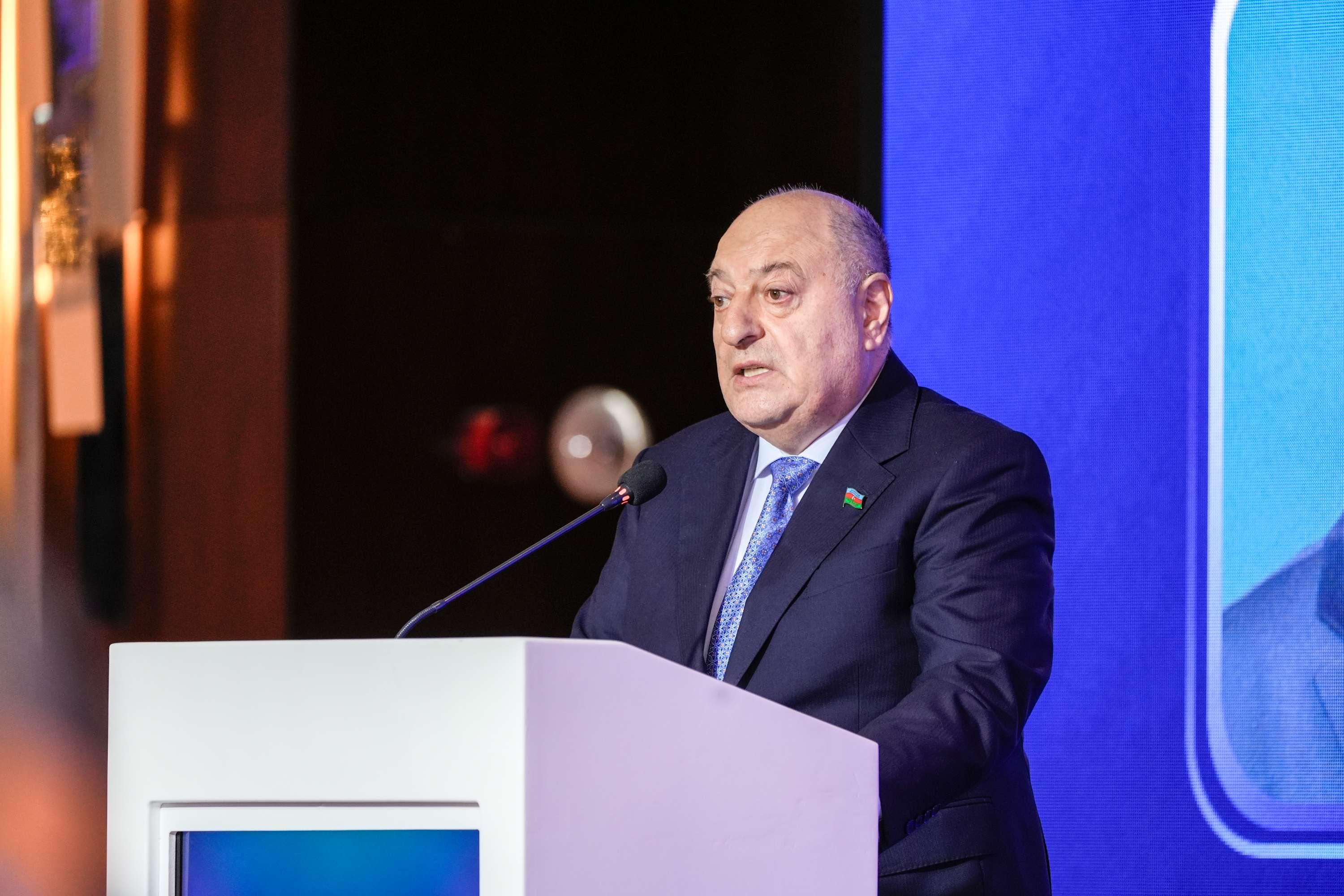
The event was attended by the Minister of Labour and Social Protection of the Population, Anar Aliyev; First Deputy Speaker of the Milli Majlis, Ali Ahmadov; Chairman of the Board of the Small and Medium Business Development Agency (KOBİA), Orkhan Mammadov; Chairman of the Parliamentary Committee on Labour and Social Policy, Musa Guliyev; senior officials from the public and private sectors; local and international career consultants; human resources specialists; education experts; and development mentors.
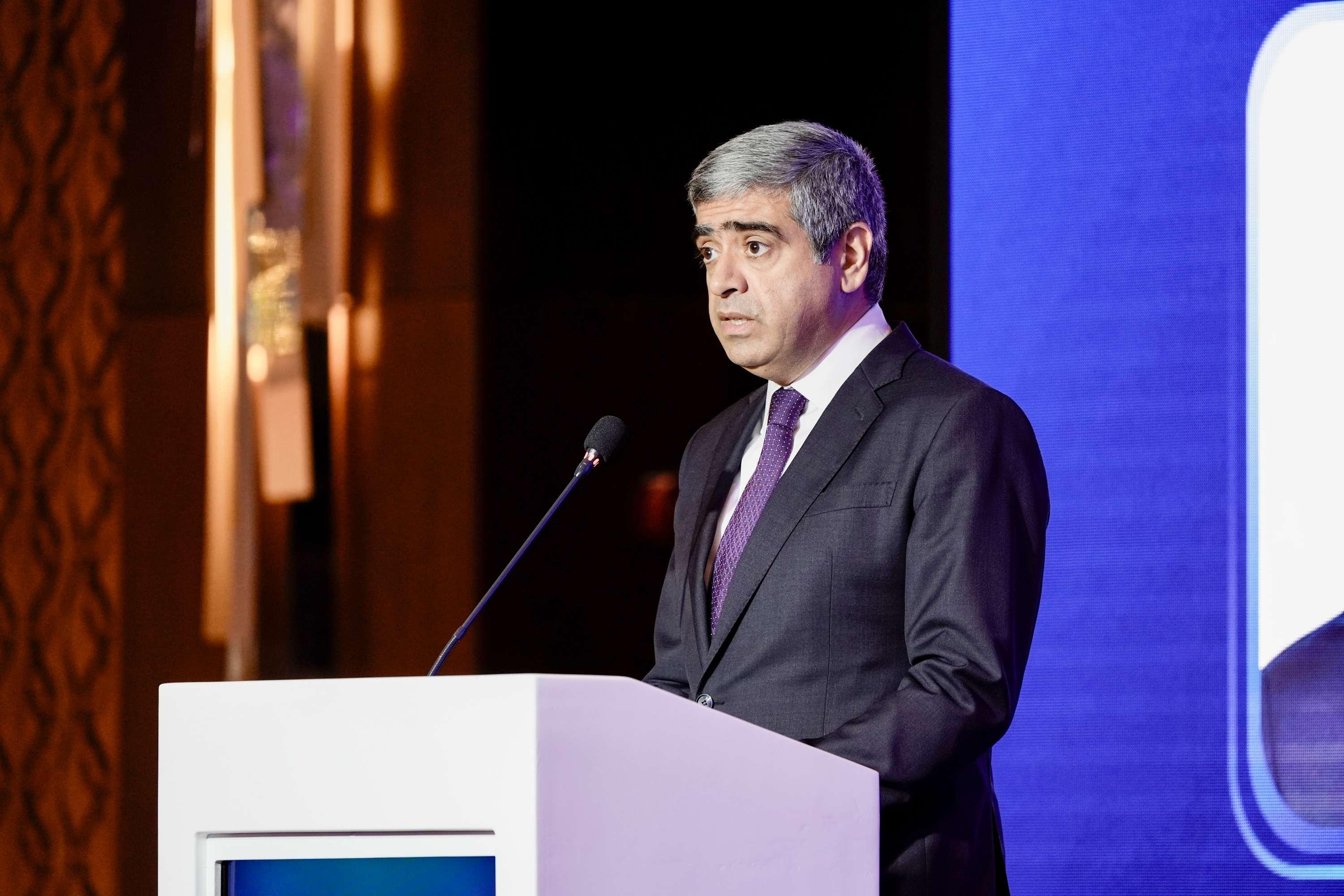
Opening the event, Anar Aliyev highlighted the Summit’s special importance for professionally discussing the growing demand for new professions and skills in the labour market. He emphasized that assessing the capacity for rapid adaptation to fast-changing labour market dynamics is one of the event’s key priorities. The Minister noted that under the leadership of President Ilham Aliyev, the development of human capital lies at the core of the country’s socio-economic policy. This, he added, once again demonstrates that Azerbaijan has defined a human-capital-based economic development model as a strategic priority.
Anar Aliyev stated that the rapid development of artificial intelligence and the expansion of digitalization are fundamentally reshaping the global labour market. He noted that, according to the World Economic Forum’s “Future of Jobs Report 2025,” 22 percent of today’s jobs are expected to undergo structural transformation by 2030. In this context, strengthening interregional cooperation, learning from international experience, and ensuring more flexible integration into the global labour market are essential.
The Minister reported that since 2018, the number of labour contracts has increased by 44 percent, reaching 1.9 million, and he highlighted recent growth in social payments. He added that, based on purchasing power parity, Azerbaijan ranks first among CIS countries for minimum pensions and second for minimum wages and average monthly pensions.
The Minister emphasized that the “Professions Festival,” held since 2022, has helped thousands of teenagers and young people increase their awareness of proper career choices and better prepare for entering the labour market. He stressed the importance of the current Summit in strengthening cooperation among public institutions, the private sector, and educational organizations regarding the current labour market situation and adaptation to future changes.
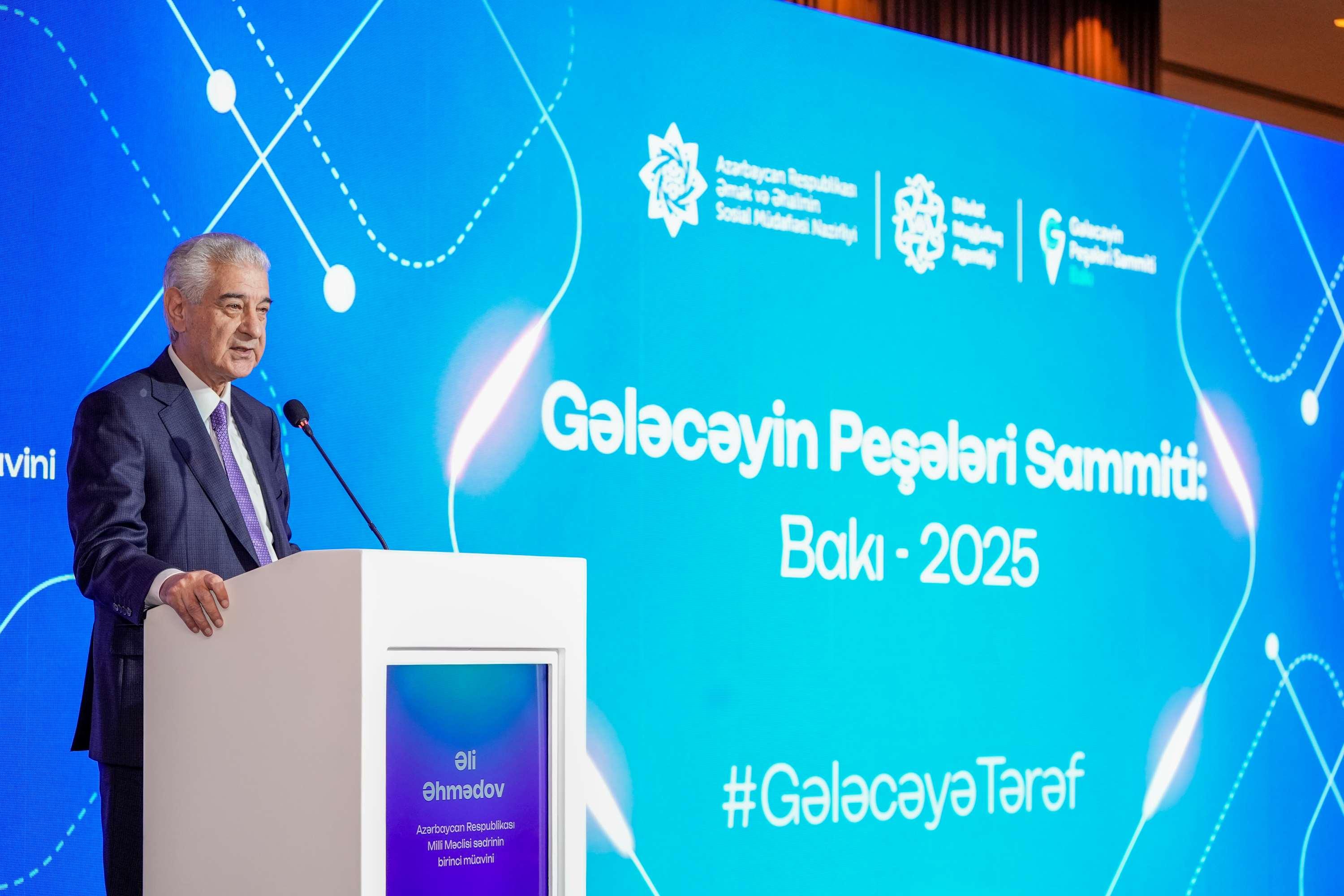
Ali Ahmadov underlined the importance of encouraging younger generations to acquire new professional skills emerging under the influence of new technologies, especially artificial intelligence, and noted the necessity of platforms such as the Future Professions Summit.
Orkhan Mammadov highlighted that strengthening human capital is one of the key conditions for developing future competitive businesses. He shared his views on new labour market challenges, the development of professional skills, the training needs of SMEs, and KOBİA’s activities in this regard.
Musa Guliyev emphasized that the effects of technology and innovation on the business world are shaping changes in the labour market and defining new skill requirements for the workforce. He stressed the importance of active discussions among stakeholders and raising awareness among young people.
The Future Professions Summit is designed as a unified platform for constructive exchange of ideas among employers, public institutions, educational organizations, and professionals. The Summit aims to identify and promote future professions and skills, share new trends in the business world, and support professionals—the target group—with more flexible, innovative, and competitive career solutions.
Three panel discussions were held within the event: “What Does the Future of Professions Require From Us?”, “Skills of the Future,” and “The Future Work Environment.” The panels covered topics such as new-generation professions, managing change to be future-ready, continuous learning and development, new technical and soft skills, personalized support mechanisms in professional growth, and digital cooperation strategies in the business world. Participants’ questions were also answered.
It should be noted that the first event within the Future Professions Summit was held on October 30 of this year in the city of Nakhchivan.